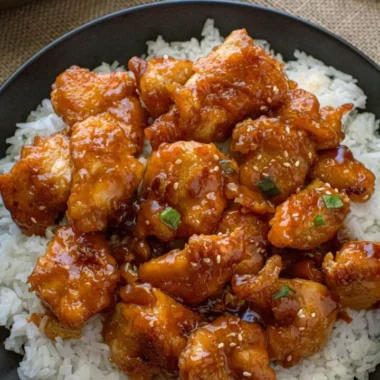
Warm Up with Korean Bibimbap: A Comforting Bowl of Flavor
Gather around, my friends! Today, I want to share a truly special dish that warms the soul and fills the belly with joy — Korean Bibimbap. With its colorful array of tender sautéed vegetables mingled with hearty meat and creamy fried egg, every bite feels like a warm hug. There’s something so cozy about layering these vibrant ingredients, reminiscent of those special family dinners where each person contributed their favorite dish to the table.
This recipe brings together a rainbow of flavors and textures that will remind you of home-cooked meals and cherished gatherings. Perfect for an easy weeknight dinner, Korean Bibimbap is not only delicious but also a feast for the eyes. Trust me; this is one you’ll definitely want to pin for later!
Why You’ll Love This Recipe
- Quick and Easy: Perfect for busy nights, this dish comes together in under 30 minutes, making it an easy weeknight dinner option.
- Customizable: Use whatever vegetables you have on hand, whether it’s crisp zucchini, earthy mushrooms, or vibrant carrots.
- Family-Friendly: Everyone can build their own bowl, making it a fun and interactive meal that caters to different tastes and preferences.
- Packed with Flavor: The combination of gochujang, sesame oil, and fresh ingredients creates a rich, savory experience in every bite.
- Vibrant and Inviting: The colorful presentation of Bibimbap makes it a dish you’ll be proud to serve at any gathering!
Ingredients You’ll Need for Korean Bibimbap
- 2 cups cooked rice
- 1 cup assorted vegetables (e.g., carrots, spinach, zucchini, mushrooms)
- 1 cup cooked meat (e.g., beef, chicken, or tofu)
- 1 fried egg per bowl
- 2 tablespoons gochujang (Korean chili paste)
- 1 tablespoon sesame oil
- Soy sauce to taste
- Sesame seeds for garnish
- Green onions for garnish
Let’s Make It Together
- Prepare the cooked rice and place it in each serving bowl, creating a warm bed for all the toppings.
- Sauté each vegetable in a little sesame oil until tender, their vibrant colors coming to life, then layer them on top of the rice.
- Add the cooked meat on top of the vegetables, bringing in a heartiness that completes the bowl.
- Fry an egg to a beautiful golden crisp and place it atop each bowl — the crowning glory!
- In a small bowl, mix gochujang, sesame oil, and soy sauce to create the delicious Bibimbap sauce.
- Drizzle the sauce generously over the top of each bowl, letting it weave through the ingredients.
- Garnish with sesame seeds and sliced green onions, adding a touch of elegance and crunch.
- Serve at room temperature, inviting everyone to mix all components together before savoring.
Fun Ways to Customize It
- Seasonal Surprises: Embrace the seasons by adding in roasted root vegetables in winter or refreshing sliced cucumbers in summer for a zesty crunch.
- Flavorful Marinades: Try marinating your meat in soy sauce and garlic for a deeper, richer flavor that adds umami warmth to your Bibimbap.
- Spicy Sunshine: Add a layer of kimchi beside your rice for an extra kick and a delightful fermented crunch.
- Savory Sauces: Switch it up with a drizzle of teriyaki sauce or a sprinkle of chili flakes for an added burst of flavor.
Chef Emma’s Helpful Tips
- Make-Ahead: Cooked rice and prepped vegetables can be made in advance, making this recipe incredibly easy to throw together when hunger strikes.
- Ingredient Swaps: Use quinoa or cauliflower rice for a different base that’s still hearty and wholesome.
- Prep Your Veggies: Slice vegetables thinly to ensure they sauté quickly and maintain a delightful crunch, adding to the bowl’s texture.
- Storage Suggestions: Store leftovers in an airtight container in the refrigerator for up to three days. Just reheat the rice and vegetables before serving!
What’s Inside – Nutrition Breakdown
- Serving Size: 1 bowl
- Calories: Approximately 450
- Carbs: 60g
- Sugar: 3g
- Fat: 15g
- Protein: 20g
- Sodium: 600mg
Frequently Asked Questions
Can I make this ahead?
Absolutely! You can prepare the rice and vegetables in advance, making it a breeze to assemble when you’re ready to eat.
Can I use different ingredients?
Yes! Feel free to mix and match proteins and vegetables to suit your taste. It’s a versatile dish that welcomes your personal touch.
How do I store leftovers?
Place leftovers in an airtight container and refrigerate. They’ll keep well for about three days. Just reheat before enjoying again!
How long does it last?
When stored properly in the fridge, your Bibimbap will last up to three days.
A Cozy Closing Note
Korean Bibimbap isn’t just a meal; it’s a delightful experience that brings people together at the table. Each bowl is filled with a tapestry of flavors, textures, and colors that enchants the senses and comforts the heart. With its ease of preparation and endless customization possibilities, this recipe firmly deserves a spot on your dinner rotation.
So go ahead and save this Korean Bibimbap to your cozy recipes board. When you’re ready for a comforting treat that satisfies both the palate and the soul, you’ll know just where to look! Happy cooking!
Print
Korean Bibimbap
- Total Time: 30 minutes
- Yield: 4 servings 1x
- Diet: Vegetarian
Description
A vibrant and comforting Korean dish, Bibimbap features a beautiful blend of sautéed vegetables, hearty meat, and a creamy fried egg served over rice, creating a delightful dining experience.
Ingredients
- 2 cups cooked rice
- 1 cup assorted vegetables (e.g., carrots, spinach, zucchini, mushrooms)
- 1 cup cooked meat (e.g., beef, chicken, or tofu)
- 1 fried egg per bowl
- 2 tablespoons gochujang (Korean chili paste)
- 1 tablespoon sesame oil
- Soy sauce to taste
- Sesame seeds for garnish
- Green onions for garnish
Instructions
- Prepare the cooked rice and place it in each serving bowl, creating a warm bed for all the toppings.
- Sauté each vegetable in a little sesame oil until tender, their vibrant colors coming to life, then layer them on top of the rice.
- Add the cooked meat on top of the vegetables, bringing in a heartiness that completes the bowl.
- Fry an egg to a beautiful golden crisp and place it atop each bowl — the crowning glory!
- Mix gochujang, sesame oil, and soy sauce to create the delicious Bibimbap sauce in a small bowl.
- Drizzle the sauce generously over the top of each bowl, letting it weave through the ingredients.
- Garnish with sesame seeds and sliced green onions, adding a touch of elegance and crunch.
- Serve at room temperature, inviting everyone to mix all components together before savoring.
Notes
Make-ahead options available: cooked rice and prepped vegetables can be stored in advance. Customizable with various veggies and proteins.
- Prep Time: 10 minutes
- Cook Time: 20 minutes
- Category: Main Course
- Method: Sautéing
- Cuisine: Korean
Nutrition
- Serving Size: 1 serving
- Calories: 450
- Sugar: 3g
- Sodium: 600mg
- Fat: 15g
- Saturated Fat: 3g
- Unsaturated Fat: 10g
- Trans Fat: 0g
- Carbohydrates: 60g
- Fiber: 4g
- Protein: 20g
- Cholesterol: 70mg